
A grain buyer we know once signed a bulk contract based purely on a supplier’s spec sheet, moisture content, protein percentage, everything looking perfect on paper. The actual shipment arrived weeks later with moisture levels well outside acceptable range, half the batch basically unusable for milling. Nobody had actually gone and inspected anything before signing, just trusted the numbers on a document. That’s the kind of gap between paperwork and reality that makes working with a genuine food commodity supplier considerably more demanding than simply comparing quoted prices per tonne on a spreadsheet.
Why Bulk Sourcing Differs From Standard Purchasing
Sourcing at scale for international markets drags in complications that smaller, one-off purchases rarely face. Volume commitments, storage logistics, quality consistency across large batches, shipping coordination across borders, all of it demands a level of supplier reliability that’s considerably harder to fake than a polished sales pitch over a video call.
A supplier capable of delivering one clean, impressive sample might struggle badly once asked to maintain that same quality across a hundred tonnes shipped over several months. The sample tells you almost nothing about consistency at scale.
Setting Clear Quality Specifications From the Start
Vague specifications lead to disputes later, and disputes at the customs stage, or after arrival, cost far more than the time spent clarifying details upfront ever would.
Worth defining precisely:
- Exact quality parameters, moisture content, purity, grade standards specific to the commodity itself
- Acceptable tolerance ranges, since natural products rarely arrive at perfectly uniform specifications every single time
- Testing and inspection protocols both parties genuinely agree to before the shipment even departs
A supplier resistant to documenting these specifications clearly, or one offering only broad reassurances instead of numbers, often signals inconsistency waiting to surface the moment the actual shipment shows up.
Evaluating an Import Export Food Supplier’s Operational Capacity
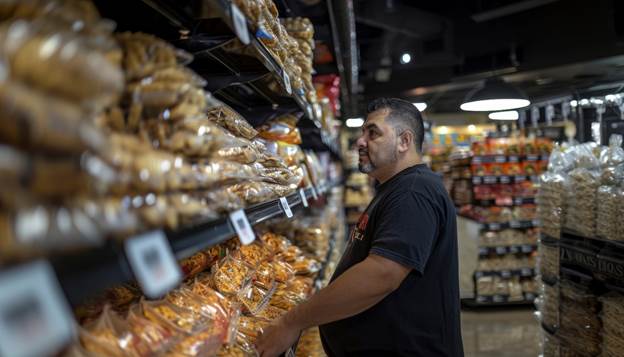
Bulk commodities demand infrastructure most casual sellers simply don’t have lying around, proper storage facilities, consistent supply chains, and the logistics network to actually move large volumes reliably, not just occasionally.
A capable import export food supplier typically shows:
- Warehousing capacity suited to the specific commodity’s storage requirements
- Established relationships with shipping lines that handle bulk cargo specifically, not general freight
- A track record of fulfilling comparable volume commitments for other clients before yours
Suppliers newer to bulk operations, however competitive their pricing looks on paper, sometimes lack the operational depth needed once volume scales past a modest trial order into something real.
Understanding Seasonal and Regional Supply Factors
Agricultural commodities depend heavily on harvest cycles, regional weather patterns, and seasonal availability, factors that directly shape both pricing and reliability of supply, whether anyone likes it or not.
Worth researching before committing to anything long-term:
- Harvest seasons for the specific commodity within the supplier’s sourcing region
- How weather events or regional disruptions have historically affected past supply runs
- Whether the supplier diversifies sourcing across multiple regions, or leans entirely on one
An agricultural products supplier relying entirely on one narrow growing region carries more risk than one with diversified sourcing, particularly for commodities prone to weather-related disruption year after year.
Negotiating Contracts That Protect Both Sides
Bulk contracts genuinely benefit from clear terms addressing what happens when things don’t go exactly as planned, rather than just assuming everything will proceed smoothly because it usually does.
Worth including in any bulk agreement:
- Clear penalty or remedy clauses for quality falling outside agreed tolerances
- Defined timelines with reasonable flexibility built in for unavoidable shipping delays
- Payment terms structured around verified delivery and quality confirmation, not just the shipment leaving port
Contracts leaving these details ambiguous tend to produce disputes precisely when they’re hardest to resolve, mid-shipment, product already in transit, money already committed on both ends.
Building Toward Reliable, Long-Term Sourcing
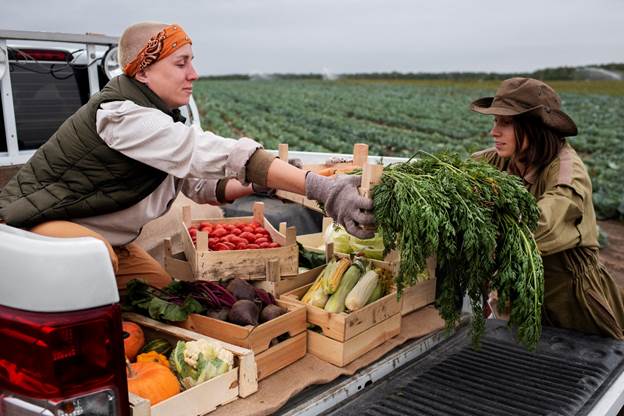
Bulk sourcing rewards patience and diligence far more than rushing toward whoever offers the fastest turnaround or the lowest quoted price on the table. Verifying specifications, checking operational capacity, and understanding seasonal factors all reduce the risk of exactly the kind of disappointing shipment our grain buyer went through.
At Fade Tech, we help businesses work through bulk commodity sourcing with the thoroughness these decisions genuinely require, connecting buyers with suppliers whose reliability actually holds up under real volume, not just a nicely presented sample.
Frequently Asked Questions
What should I look for in a food commodity supplier for bulk orders?
Clear quality specifications, documented testing protocols, and a verifiable track record of fulfilling comparable volume commitments are essential before committing to any contract.
How can I verify an import export food supplier’s operational capacity?
Ask about warehousing infrastructure, established shipping relationships for bulk cargo, and references from other clients who’ve received comparable volumes.
Why do seasonal factors matter when sourcing from an agricultural products supplier?
Harvest cycles and regional weather directly affect both pricing and supply reliability, making diversified sourcing across regions a meaningful risk reduction strategy.
What contract terms protect buyers in bulk food commodity sourcing?
Clear tolerance ranges for quality, defined delivery timelines, and payment terms tied to verified delivery all help prevent disputes once shipments are already underway.