
A distributor we spoke with last year lost an entire container shipment of frozen seafood at customs. Paperwork mismatched. Temperature logs missing. The supplier stopped answering calls the moment the problem surfaced, which, honestly, tells you most of what you need to know about them. That kind of story circulates more often than people expect in this industry, and it’s exactly why choosing a genuine international food supplier takes considerably more digging than lining up price sheets side by side and picking the cheapest one.
Why Global Sourcing Carries Different Risks Than Local Purchasing
Buying food products across borders drags in variables that simply don’t exist when sourcing down the road, customs regulations, painfully long shipping windows, currency swings, quality standards that shift noticeably from one country to the next.
A supplier managing these complications smoothly looks entirely different from one merely claiming they can, and that gap only surfaces once something’s actually gone sideways mid-shipment. Usually at the worst possible moment too, three days before a launch or right during peak season.
Verifying Certifications Before Anything Else
Certifications aren’t just paperwork sitting in a drawer somewhere, gathering dust. They’re evidence a supplier meets specific safety and quality benchmarks recognised across international markets, not just claims made on a glossy brochure.
Worth confirming directly:
- Food safety certifications relevant to your destination country’s specific requirements
- Traceability documentation showing origin and handling all the way through the supply chain
- Compliance with import regulations specific to the particular product category involved
A supplier hesitant to hand over clear certification documents upfront, or one offering vague, hand-wavy explanations instead, deserves a lot more scrutiny before any contract gets signed. That hesitation is rarely accidental.
Understanding Logistics Capability, Not Just Product Quality
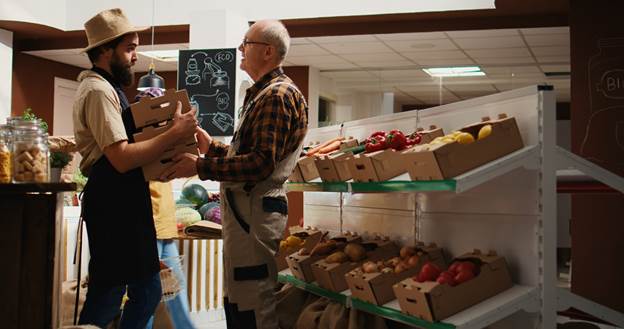
Excellent product quality means very little if a supplier can’t reliably manage shipping, customs clearance, and delivery timelines, shipment after shipment, month after month.
A capable food import export company typically shows:
- Established relationships with reliable shipping and customs clearance partners
- Clear communication around realistic delivery windows, not the overly optimistic promises made just to close a deal
- Contingency planning for delays, damaged shipments, or customs complications, because these things do happen eventually
Suppliers staying vague about logistics specifics, offering only broad reassurance instead of concrete processes, tend to fall apart the moment a shipment hits any unexpected snag.
Checking Financial Stability and Track Record
A supplier’s financial health affects their ability to fulfil orders consistently, particularly once you’re locked into larger, ongoing contracts stretched across many months.
Worth researching:
- How long the supplier has genuinely operated within this specific market, not just claimed to
- References from existing clients, ideally ones in industries comparable to yours
- Any history of delayed shipments, quality disputes, or complaints left dangling unresolved
A food commodity trading company with a longer, verifiable track record generally offers more reliability than a newer operation making bold promises with little history to actually back them up.
Assessing Communication and Responsiveness
How a supplier communicates during initial negotiations tends to predict, fairly reliably, how they’ll handle problems once an actual partnership gets underway.
Signs worth paying close attention to:
- Prompt, clear responses to specific questions, not vague reassurance dressed up as an answer
- Willingness to provide samples or documentation without endless delay or excuses
- Transparency around pricing, including whatever additional fees aren’t obvious right away
Suppliers evasive or slow during this early stage rarely improve once real business dealings begin. If anything, they tend to get worse, not better.
Evaluating Distribution Network Reach
For businesses needing consistent supply across multiple regions, distribution capability matters just as much as sourcing quality, arguably more for some operations depending on scale.
An established international food distributor typically offers:
- Warehousing capabilities across relevant regions, cutting down on delivery delays considerably
- Established relationships with regional distributors and retailers already in place, not being built from scratch
- Flexibility to scale volume as your business grows, without starting the whole vetting process over again
Building a Genuine Long-Term Partnership

The most reliable sourcing relationships develop through consistent, verified performance over time, not through whoever quoted the lowest number on a spreadsheet. A trustworthy food trading company proves itself through documentation, honest communication, and a track record you can actually check, not persuasive sales talk alone.
At Fade Tech, we help businesses work through global sourcing decisions with exactly the diligence these partnerships demand, making sure every supplier relationship rests on verified reliability rather than a good first impression or a nice-sounding pitch.
Frequently Asked Questions
What certifications should a reliable international food supplier provide?
Look for food safety certifications relevant to your destination country, along with clear traceability documentation covering the product’s origin and handling.
How can I verify a food import export company’s logistics reliability?
Ask about established shipping partnerships, realistic delivery timelines, and contingency plans for delays or customs complications before signing any agreement.
Why does financial stability matter when choosing a food commodity trading company?
Financial health directly affects a supplier’s ability to fulfil large or ongoing orders consistently, making their track record and client references worth checking.
What should I look for in an international food distributor’s network?
Check for warehousing capability across relevant regions and established distributor relationships, ensuring consistent delivery as your sourcing needs expand.