
A retail chain operator in Lagos once told us her shelves went empty for nearly two weeks straight during a supply disruption. Not because demand suddenly spiked or anything dramatic like that. One shipping delay, way upstream, and it cascaded through her entire ordering system with absolutely nothing in place to absorb the shock. That vulnerability is exactly why a genuine global food distributor plays such a critical role across African markets, where infrastructure gaps and logistical tangles make supply chain resilience considerably harder to build than in more established, predictable markets elsewhere.
Why African Grocery Supply Faces Unique Pressures
Distribution across the continent deals with challenges that shift meaningfully from one region to the next. Inconsistent road infrastructure in some areas, port congestion in others, currency volatility messing with import costs, and climate conditions that complicate storage for perishable goods considerably, sometimes in ways nobody accounted for until the damage was already done.
A distributor genuinely built for these realities looks entirely different from one just copying a standard international model without bothering to adjust for what’s actually happening on the ground.
What Reliable Distribution Actually Requires Here
Consistency, not raw volume, tends to matter most for retailers and consumers alike. Unpredictable gaps in supply damage trust far more than the occasional higher price ever would, that’s just how people experience scarcity.
A capable international grocery distributor typically shows:
- Warehousing positioned strategically across multiple regions, cutting reliance on any single point of failure
- Diversified supplier relationships, not leaning entirely on one sourcing country or shipping route
- Contingency planning for weather disruptions, port delays, or currency swings hitting cost unexpectedly
Distributors betting everything on a single supply route, however efficient it looks under normal conditions, tend to struggle badly the moment that route hits any kind of disruption at all. And something always eventually disrupts it.
Bridging the Gap Between Global Sourcing and Local Reality
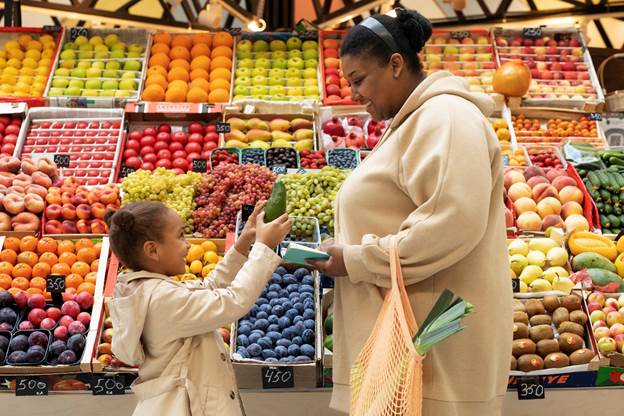
Sourcing food commodities internationally means very little if that supply never actually reaches shelves reliably at the local level. This gap, oddly enough, is precisely where many supply chains genuinely fall apart, not somewhere overseas, but right at the last stretch.
Worth understanding about this bridging process:
- Last-mile logistics often prove trickier than the entire international shipping leg combined
- Local partnerships with regional distributors help navigate infrastructure gaps international companies simply can’t solve alone
- Currency exchange management directly shapes pricing stability for consumers right at the retail counter
A global food distribution company succeeding across African markets typically pours real investment into these local connections, rather than assuming international logistics alone somehow guarantees reliable delivery.
Managing Perishable Goods Across Variable Climates
Climate variability across the continent throws up specific challenges for perishable food distribution that just don’t exist in more temperate, predictable environments elsewhere.
Worth prioritising specifically:
- Cold chain infrastructure suited to regions with genuinely limited refrigerated storage capacity
- Realistic transit timelines accounting for temperature-sensitive products and unpredictable road conditions
- Packaging solutions built to withstand humidity and heat through extended transport stretches
Distributors underestimating these climate-specific requirements often see product loss rates far higher than anticipated, quietly eating into margins and reliability alike, sometimes for months before anyone even notices the pattern forming.
Supporting Local Retailers Through Consistent Supply
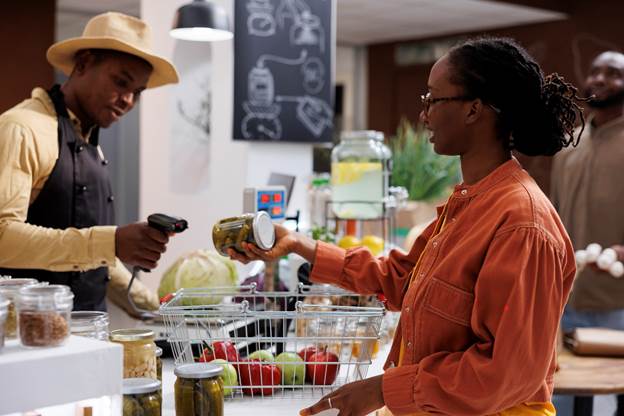
Retailers depend on predictable delivery schedules to manage their own inventory planning properly. Disruptions upstream ripple straight into empty shelves and frustrated customers downstream, pretty much every single time, without fail.
Reliable distribution typically supports retailers through:
- Consistent delivery scheduling, even when broader supply chain conditions shift without warning
- Transparent communication around potential delays, rather than silence until the problem’s already obvious to everyone
- Flexible order volumes accommodating seasonal demand swings across different regions
This consistency matters enormously for smaller retailers in particular, who often lack the buffer stock larger chains might comfortably maintain during disruptions.
Building Supply Chains That Genuinely Hold Up
Reliable grocery supply across Africa depends on distributors genuinely willing to invest in regional understanding, diversified sourcing, and infrastructure suited to local conditions, rather than applying some generic international template and hoping it holds. The retailers and consumers who benefit most are the ones working with distributors who’ve actually built for this specific complexity, not merely claimed to on a website somewhere.
At Fade Tech, we help connect African retailers and buyers with distribution partners equipped for these exact realities, making sure supply reaches shelves consistently rather than becoming yet another recurring headache nobody wants to deal with.
Frequently Asked Questions
What makes a global food distributor effective across African markets specifically?
Diversified supplier relationships, strategically positioned warehousing, and contingency planning for regional disruptions all contribute to consistent, reliable supply delivery.
How does an international grocery distributor handle infrastructure challenges in Africa?
Successful distributors invest in local partnerships and regional warehousing, addressing last-mile logistics challenges that international shipping alone cannot solve.
Why does climate variability matter for a global food distribution company operating here?
Cold chain infrastructure and appropriate packaging become essential for perishable goods, since inconsistent climate conditions across regions significantly affect product quality and loss rates.
How can retailers ensure consistent supply despite regional disruptions?
Working with distributors who maintain diversified sourcing, transparent communication, and flexible ordering helps retailers manage disruptions without prolonged empty shelves.