Sourcing food across borders is not just about finding someone who sells grain or oil. It is about finding a food commodity supplieryou can actually depend on when shipments are late, prices swing, or paperwork gets messy. And in this trade, paperwork always gets messy at some point.
We have seen businesses lose months chasing the wrong partner. A cheap quote looked good on paper, until the shipment arrived three weeks late with half the promised quality. That is the real risk in international food trade, and it is why choosing carefully matters more than choosing quickly.
Why the Right Supplier Makes or Breaks Your Trade
A supplier is not a vendor you deal with once. They become part of your supply chain, your reputation, and honestly, your sleep schedule.
Working with a reliable food commodity trading company means fewer surprises. Fewer late-night emails asking where the container went. Fewer calls to customers explaining why the delivery slipped again.
Get it right, and your business runs smoother. Get it wrong, and every other part of your operation feels the strain, from warehousing to customer trust.
Key Factors to Evaluate Before You Commit
Choosing a supplier is part research, part instinct. Numbers matter, but so does how a company treats you before you have even signed anything.
Quality Assurance and Certifications
Ask for proof, not promises. A trustworthy supplier should be able to show:
- Third-party inspection reports (SGS or similar agencies)
- Non-GMO or organic certification where applicable
- Batch testing records for consistency across shipments
- Clear documentation for food safety compliance
If a supplier hesitates when you ask for certificates, that hesitation tells you something.
Pricing and Transparency
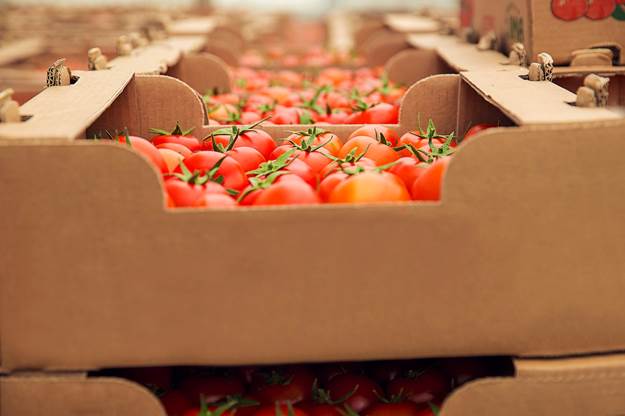
Low prices are tempting. They are also often where things fall apart later.
A fair supplier explains their pricing structure clearly. Freight, insurance, packaging, and taxes should be visible, not buried in fine print you discover after the invoice lands.
Compare quotes, yes. But compare what is included, not just the number at the bottom.
Logistics and Delivery Reliability
Food commodities do not wait patiently in a warehouse. Delays cost money, and in some cases, they cost entire shipments if perishables are involved.
Look for a partner with:
- Established shipping routes and reliable freight partnerships
- Real-time tracking or regular status updates
- Contingency plans for customs delays or port congestion
- A history of on-time delivery, not just promises of it
Communication and Responsiveness
This one gets overlooked constantly. A supplier who answers quickly during the sales pitch but goes silent after the deal is signed is a warning sign, plain and simple.
Test this early. Send a question before committing to anything large. Watch how fast, and how clearly, they respond.
Compliance and Documentation
International trade runs on paperwork. Certificates of origin, phytosanitary certificates, import and export licenses, the list goes on.
An experienced international food trading company handles this without making it your problem to solve. They know which documents each destination country requires, and they prepare them before you even ask.
Red Flags to Watch For
Some warning signs are subtle. Others are not.
- Vague answers about sourcing origin
- Reluctance to share references from existing clients
- Pressure to pay in full before any inspection
- Missing or inconsistent business registration details
- No clear point of contact for after-sales issues
None of these alone means walking away immediately. But two or three together? That is worth pausing on.
Questions to Ask Before Signing a Contract
Before any agreement, we recommend asking these directly:
- What certifications do you hold, and can you provide current copies?
- How do you handle quality disputes after delivery?
- What is your average delivery timeline for my region?
- Can you provide references from clients in similar markets?
- What happens if a shipment fails inspection at the destination port?
A confident supplier answers these without deflecting. A weaker one changes the subject or gives half-answers.
Building a Long-Term Partnership, Not Just a Transaction
The best trade relationships are not one-off purchases. They grow over years, through repeat orders, adjusted terms, and mutual trust built shipment by shipment.
A supplier who understands your business, your customers, and your market pressures becomes more valuable over time than one offering the lowest price today. Consistency beats a bargain almost every time in this industry.
We have found that partners who invest in the relationship, checking in even when nothing is wrong, tend to be the ones who show up when something actually goes wrong.
Regional Considerations Matter Too
Sourcing for markets in North America differs from sourcing for West Africa or Central Africa. Import regulations vary. Preferred packaging sizes vary. Even preferred payment terms shift from region to region.
A supplier familiar with multiple regions can adapt faster. They already know what customs officers in one country ask for, versus another. That familiarity saves time, and time in this business is rarely cheap.
Checking Financial Stability and Business History
A supplier’s balance sheet rarely gets discussed early in a deal, yet it matters more than most buyers realise. A company struggling financially may cut corners on quality or delay shipments to manage cash flow.
Before committing to a large order, we suggest reviewing:
- Years in operation and trade history
- Any public records of disputes or legal issues
- Bank references, where available
- Trade association memberships
A supplier with a stable history and transparent business records tends to handle setbacks better than one operating on thin margins.
Sustainability and Ethical Sourcing Practices
Buyers increasingly want to know where their food actually comes from, not just what it costs. Ethical sourcing has moved from a nice-to-have to an expectation in many markets.
Ask your food commodity supplier about their farming partnerships, labour practices, and environmental standards. A supplier who tracks this information usually has better control over their entire supply chain too, since ethical sourcing and quality control often go hand in hand.
This is not just about optics. Markets across Europe and North America are tightening regulations around traceability, and suppliers who are already prepared will save you future compliance headaches.
Requesting Samples Before Bulk Commitment
Numbers on a spec sheet only tell part of the story. Texture, moisture content, and packaging integrity are things you notice only when a product is in front of you.
Reputable suppliers rarely object to sending samples ahead of a bulk order. If a company resists this simple request, treat it as a signal worth investigating further.
A small sample shipment costs little compared to what a rejected container costs later, both in money and in the trust of your own customers.
Conclusion
Selecting a supplier is not a decision to rush through in an afternoon. It deserves the same care you would give to hiring a key team member, because in many ways, that is exactly what a good supplier becomes.
Fade-Tech works with businesses across North America and beyond, offering the quality checks, transparent pricing, and dependable logistics that international food trade actually requires. Our approach centres on building relationships that last well past the first shipment.
Frequently Asked Questions
What should I look for first when choosing a food commodity supplier?
Start with certifications and quality assurance records. A supplier who can prove consistent product testing and third-party inspection is generally more reliable than one relying only on verbal assurances.
How do I know if a food commodity trading company is trustworthy?
Check their communication speed, ask for client references, and review their documentation practices. Trustworthy companies rarely hesitate when asked for proof of compliance or past performance.
Why does logistics matter so much in international food trade?
Food commodities are time-sensitive and often perishable. Delays at ports or during customs clearance can affect product quality and cost, so reliable logistics planning protects both your budget and your reputation.
What makes an international food trading company different from a local supplier?
An international trading partner typically understands cross-border regulations, multiple currency handling, and region-specific documentation requirements, making them better equipped for large-scale or recurring international orders.