
Sourcing food commodities across borders is not as simple as picking a name off a search page. One wrong choice in supply chain partners can cost weeks of delay, damaged goods, or a client relationship gone cold. Choosing the right food import export company is one of those decisions that quietly shapes whether your business runs smoothly or stumbles at every shipment.
Below, we walk through what actually matters when selecting a partner for global food trade, and why some suppliers stand out while others simply fade into the noise.
Why the Right Trading Partner Matters More Than Price Alone
Many buyers start their search by comparing quotes. That is natural, budgets matter. But price alone rarely tells the full story.
A cheaper rate from an unverified import-export food supplier can quickly turn expensive once you factor in customs delays, inconsistent quality, or missed delivery windows. Real value comes from a company that blends fair pricing with dependable execution.
What Reliability Actually Looks Like
Reliability is not a marketing word. It shows up in specific, checkable details:
- Consistent product quality across every shipment, not just the sample batch
- Transparent documentation for customs and import regulations
- Clear communication timelines, so you are never left guessing
- A track record across multiple regions, not just one lucky client
When these boxes are ticked, the relationship stops feeling like a gamble.
Key Factors to Evaluate Before Signing an Agreement
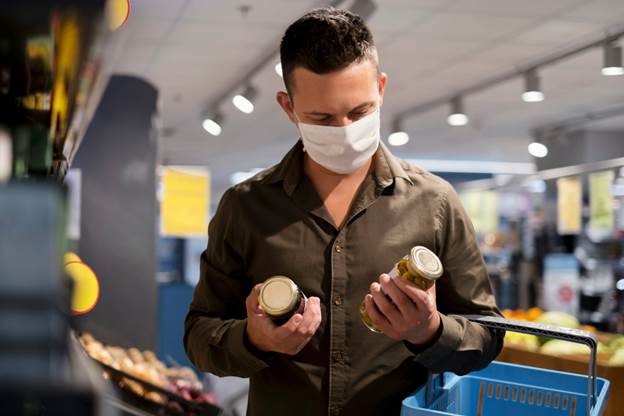
Every business has different priorities, but a few factors apply almost universally when vetting afood products exporter.
1. Quality Assurance Standards
Ask how the supplier verifies quality before goods leave the origin country. Reputable partners work with recognised inspection agencies and follow structured testing protocols for packaging, stuffing, and product condition. If a supplier cannot explain their quality process clearly, that is worth noting.
2. Global Network and Sourcing Reach
A company with direct relationships to farmers, processors, and manufacturers tends to offer better pricing and steadier supply. Middlemen stacked on middlemen usually means higher costs and less control over quality.
Look for suppliers who can source across multiple regions. This flexibility matters when one market faces shortages or price spikes, since alternate sourcing options keep your supply chain moving.
3. Product Range and Specialisation
Some exporters focus narrowly on grains. Others handle a broader catalogue, from pulses and oils to canned goods and flour. A wider, well-managed product range often signals a company with established infrastructure rather than one relying on a single supplier relationship.
4. Logistics Capability
Timely delivery depends on more than good intentions. It requires:
- Established shipping routes and carrier relationships
- Proper cold chain handling for perishable goods
- Realistic delivery timelines, not overpromised ones
- Contingency planning for delays at ports or borders
A supplier that manages logistics in-house, rather than outsourcing every step, generally offers more accountability.
5. Communication and Responsiveness
During due diligence, notice how quickly and clearly a company responds to enquiries. If getting a straight answer feels difficult before the contract is signed, it rarely improves afterwards.
Red Flags to Watch For
Choosing an unreliable partner rarely happens because of one obvious mistake. It usually comes from ignoring small warning signs early on.
Watch for these patterns:
- Vague answers about sourcing origin or certification
- Reluctance to share references or past shipment records
- Pricing that seems unusually low compared to market standards
- No clear point of contact for urgent issues
None of these alone is disqualifying, but together they suggest a deeper gap in operational maturity.
The Role of Certifications and Quality Inspections
Third-party inspection matters more than most buyers realise until something goes wrong. Certifications from recognised agencies confirm that products meet international safety and quality benchmarks before they ever reach your warehouse.
An import-export food supplier that welcomes inspection, rather than treating it as an obstacle, is usually one that has nothing to hide. Ask for documentation upfront, and compare it against industry standards for the specific commodity you are sourcing.
Long-Term Partnership Over One-Time Transactions
Global food trade works best as a relationship, not a series of isolated purchases. Businesses that treat every order as a one-off transaction often end up renegotiating terms, timelines, and pricing structures with each new supplier they try.
A dependable partner grows with your business. As order volumes increase or product needs shift, a strong supplier adapts rather than forcing you to start the vetting process over again.
Signs a Supplier Is Built for Long-Term Growth
- Willingness to discuss forecasted demand and plan ahead
- Flexible terms for seasonal or bulk orders
- A dedicated contact who understands your account history
- Consistent quality even as order sizes change
These traits separate a transactional vendor from a genuine trading partner.
How Regional Presence Affects Reliability
A food products exporter with operations across multiple regions tends to handle disruptions better. If one market experiences a poor harvest or export restriction, a diversified supplier can pivot sourcing without leaving your business stranded.
Local presence in your destination market also helps. Understanding regional import regulations, preferred packaging standards, and buyer expectations reduces friction at every stage, from paperwork to final delivery.
Before signing any agreement, a short list of direct questions can save significant trouble later:
- What quality inspection process do you follow, and who certifies it?
- Can you provide references from businesses in a similar industry?
- What is your typical delivery timeline for this specific product?
- How do you handle disputes or damaged shipments?
- What regions do you currently source from and ship to?
Clear, confident answers to these questions usually indicate a company that has handled these situations before, not one improvising on the spot.
Balancing Cost, Quality, and Speed
Every buyer wants the lowest cost, the highest quality, and the fastest delivery, all at once. In practice, these three factors pull against each other, and the strongest suppliers help you find the right balance for your specific needs rather than promising all three without compromise.
A supplier who is upfront about these trade-offs, rather than making unrealistic guarantees, is generally more trustworthy in the long run.
Making the Final Decision
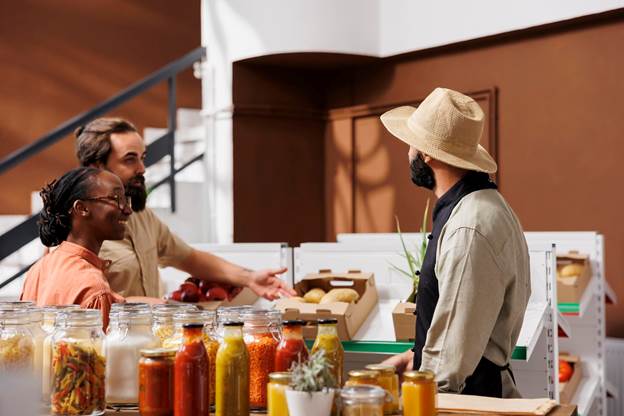
Choosing a trading partner is rarely about finding perfection. It is about finding consistency, transparency, and a working relationship that holds up under pressure. The strongest food import export food supplier are the ones that communicate clearly, back their claims with real inspection processes, and treat your business as a long-term partnership rather than a single order.
Take time to verify claims, ask direct questions, and request documentation before committing. A little diligence early on prevents far bigger problems down the line.
Conclusion
A dependable sourcing partner shapes how smoothly your business operates, from shelf stocking to client satisfaction. Companies like Fade-Tech demonstrate what this looks like in practice, combining a global sourcing network, structured quality checks, and steady communication to support businesses across different markets. Choosing carefully today builds a supply chain that holds steady tomorrow.
Frequently Asked Questions
1. What should I check first when evaluating a food import export company?
Start with their quality assurance process and certifications. A supplier who can clearly explain how products are inspected before shipment is generally more trustworthy than one who avoids the topic.
2. How do I know if an import export food supplier has a reliable logistics network?
Ask about their shipping routes, delivery timelines, and how they handle delays at ports or borders. Established suppliers usually manage logistics directly rather than outsourcing every stage.
3. Why does regional sourcing diversity matter with a food products exporter?
Suppliers sourcing from multiple regions can adjust when one market faces shortages, price changes, or export restrictions, keeping your supply steady even during disruptions.
4. Is the cheapest supplier always the best choice for food commodity sourcing?
Not usually. Lower pricing without verified quality and reliable delivery often leads to higher costs later through delays, returns, or inconsistent product standards.